








Dream Journaling

Turn Dreams into Clarity

A 6-module journaling course to decode the messages your unconscious mind reveals through your dreams

If you’ve been doing the inner work but still feel like something inside you remains out of reach…

You might be missing one of the most important conversations available to you:  the one happening in your dreams.

Every night, your unconscious mind speaks through images, emotions, and symbols. 

Dream journaling gives you a grounded way to capture those messages, reflect on them, and begin a deeper relationship with yourself.

Your dreams aren’t random they are part of your inner guidance system.

What if you could learn their language?

A structured approach to dream journaling

This course gives you a simple and effective method to:

Become a Skilled Dream Catcher

Researchers confirm that we dream every night, even if we don’t remember it. You’ll learn a gentle recall routine that strengthens dream memory and capture what surfaced at night before it fades.

Bring Dreams Into Life

Dream journaling only becomes transformative when it guides how you live. You’ll learn how to translate dream insight into small, practical steps — so your dreams support your clarity, choices, and self-trust.

Record Your Dreams Clearly

No perfect writing or long descriptions. You’ll get a clear template to write down your dream and journaling techniques to deepen reflection and exploration, even if you only remember fragments.

Understand your Dream World

 With the support of proven therapeutic writing techniques, you’ll uncover what your dreams may be pointing to in your life — patterns, unspoken desires, and guidance from your intuition.

The benefits of dream journaling

Dream journaling helps you turn what happens at night into clarity you can use during the day.

Hey! It's Ana Juma here

My personal growth journey started early. As a teenager, I felt an urgent need to understand myself and the intense, unexplained experiences I was having. A lot of it began in my dream world. I was dreaming vividly… sometimes even picking up on emotions and information that didn’t fully make sense to me in waking life.

But I didn’t know what to do with it.

I also struggled with terrifying nightmares to the point where, at times, I felt afraid of falling asleep. So I went looking for answers wherever I could find them: art and psychology.

Those perspectives helped me feel less alone, but something still felt missing. It was as if I was receiving my dreams, but not in relationship with them.

Everything began to change when I found my way into journaling.

Through writing, I learned how to remember my dreams, record them, reflect on them with curiosity (instead of fear), and slowly build trust with what I now call my Dream Director — the inner intelligence that speaks through images, emotion, and story.

The result wasn’t “perfect dreams” (though I’ve filled journals with unforgettable ones), but it was something more valuable: a grounded relationship with my inner world.

Over time, dream journaling helped me meet parts of myself I had been avoiding, define my career path, find healing in past relationships, and prepare for experiences I haven’t had yet in my waking life. It took time (and I’m still learning!), but dream journaling became a skill I could rely on, not a mystery I had to endure.

Today, I’m a journaling facilitator with a background in therapeutic writing (educational, not clinical), and I’ve created this course to offer the guidance I wish I had back then: a simple, ethical, grounded method to turn dreams into clarity.

Because you dream every night — and learning to work with your dreams can be one of the most intimate ways to come back home to yourself.

Shadow work journaling

You are in good company

Dreams have shaped music, science, literature, and invention for centuries. Dream journaling isn’t about being “mystical” — it’s about learning to pay attention to the intelligence of your unconscious mind.

Paul McCartney

Heard the melody of Yesterday in a dream — and woke up to write it down.

Mary Shelley

Described the seed of Frankenstein as coming from a vivid dream that stayed with her.

James Cameron

Has shared that the imagery and core idea behind Avatar began with a dream he had when he was 19.

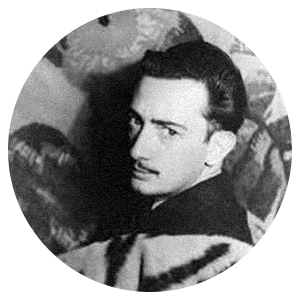
Salvador Dalí

Treated the unconscious as creative material, describing his work as “hand-painted dream photographs.”

Dreams don’t just entertain us at night. They can reveal creative solutions and surprising connections, and the simplest way to start listening is to write them down.

This course is for you if you:

The Curriculum

What you’ll learn in this dream journaling course

MODULE 1: RECOGNIZE

Foundations

What dream journaling is (and isn’t), why we dream, and how this practice can change the way you relate to yourself.

MODULE 2: RECALL

Wake up remembering more

Learn a gentle system to remember more dreams, including what to do when you wake up remembering nothing.

MODULE 3: RECORD

Capture the essence in 3 minutes

The ultimate how to keep a dream journal guide – you’ll receive the dream journal template to stay consistent without pressure.

MODULE 4: REFLECT

Find personal meaning

Your dreams are unique to you. You’ll learn a set of journaling techniques to explore associations, characters, and fragments in a way that is meaningful to you.

MODULE 5: RELATE

Turn insight into real-life clarity

Learn how to work with recurring themes, dream types, and even nightmares — then integrate what you discover through small, doable actions.

MODULE 6: REIMAGINE

Create your own dreams

Use dream imagery as creative direction for your next chapter, manifestation, and problem solving. You'll learn the foundations of dream planning.


Join the waitlist

Let me know if you’d like to learn more about dream journaling by signing up below.

A free Dream Entry Template and a special founding-member pricing.

Your Course Materials

Get access to a complete journaling system designed to access your unconscious mind through your dreams

VIDEO LESSONS

Practical lessons guiding you through the full method. You’ll have a complete library of techniques to revisit anytime, allowing you to continue your dream journaling journey at your own pace.

DREAM JOURNAL TEMPLATE

Printable dream entry template, reflection prompts, pattern trackers, and integration pages — so you always know what to write and what to do next.

PRIVATE COMMUNITY

A supportive space to meet fellow journalers, stay consistent, share wins, and ask questions. I walk this journey with you side by side.


GUIDED MEDITATIONS

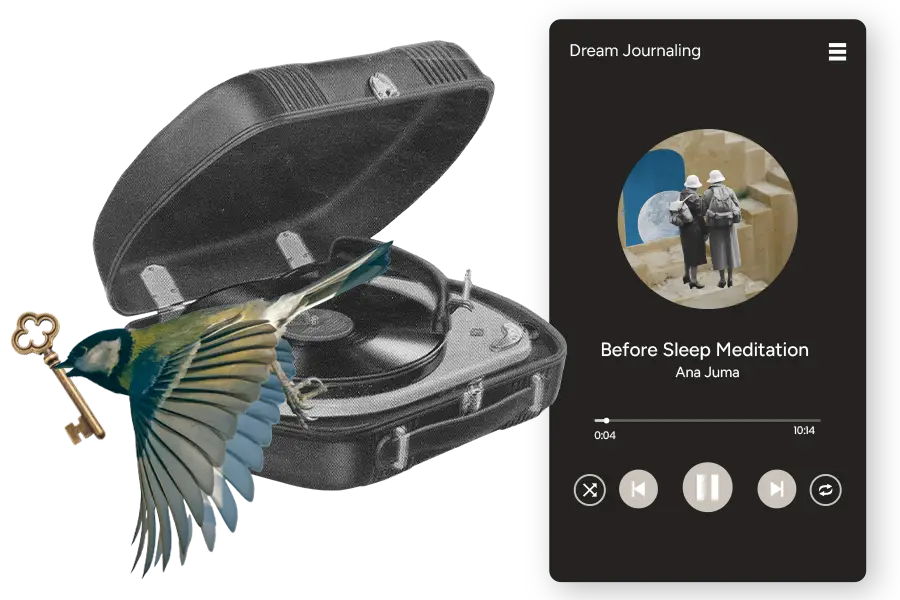
Guided meditation tracks to support your dream journaling practice — from setting intentions before sleep to settling your mind before writing.


FAQ

For now, this is a self-paced video course, so you can move through the lessons on your own schedule. You’ll also have the option to join the private community for support and accountability.

Not at all. You’ll learn a gentle routine to remember more over time, and you can work with fragments, feelings, or even “no dream” mornings.

No. While you may experience therapeutic outcomes, dream journaling is not therapy. This course supports a reflective practice and self-understanding through writing, but it isn’t psychotherapy or a substitute for mental health care.

You’ll learn gentle ways to approach intense dreams with boundaries and nervous-system-friendly tools. You’re always in choice, and you’ll be encouraged to pause if something feels too activating.

You can start with as little as 5 minutes in the morning. Consistency matters more than length.

This course is based on research on memory and dream work. The approach is grounded and reflective, focused on personal meaning, emotional clarity, and integration.

Perfect. You don’t need to be. Dream journaling is about capturing what matters and find personal meaning in your experiences, not writing beautifully.

You’ll have ongoing access to the video lessons and templates, so you can revisit the method anytime.